The Importance of PAT Testing: Why PAT Testing is Crucial in the UK
Electrical safety remains a top priority for every business, landlord, and homeowner. Portable Appliance Testing (PAT) plays a vital role in ensuring electrical devices are safe to use. I will explain why PAT testing is crucial in the UK, how it benefits you, and what you need to know to stay compliant and safe.
Understanding the Importance of PAT Testing
PAT testing involves inspecting and testing electrical appliances to confirm they are safe. It prevents accidents caused by faulty electrical equipment. The importance of PAT testing cannot be overstated. It protects people from electric shocks, fires, and other hazards.
Regular PAT testing helps identify damaged cables, worn plugs, and faulty appliances before they cause harm. It also ensures compliance with UK health and safety regulations. Failure to conduct PAT testing can lead to legal consequences and increased insurance premiums.
Key benefits of PAT testing include:
Reducing the risk of electrical accidents
Meeting legal and insurance requirements
Extending the lifespan of electrical equipment
Providing peace of mind for property owners and managers
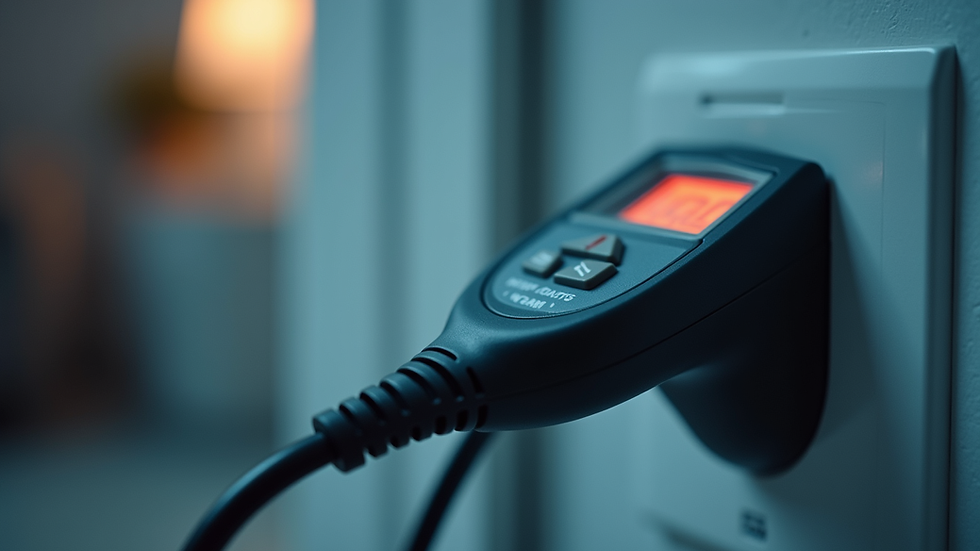
How PAT Testing Protects Your Property and People
Electrical faults can cause serious damage to property and endanger lives. PAT testing identifies potential risks early. It ensures that all portable appliances, such as computers, kettles, and power tools, are safe to use.
For landlords, PAT testing is essential to protect tenants and avoid liability claims. For businesses, it safeguards employees and customers. Regular testing also helps maintain a safe working environment, which boosts productivity and morale.
By scheduling routine PAT testing, you reduce the chance of unexpected breakdowns and costly repairs. It also helps you keep accurate records of appliance safety, which is useful during inspections or audits.
When did PAT testing start in the UK?
PAT testing became widely recognised in the UK during the 1980s. It was introduced as part of broader health and safety regulations to reduce workplace accidents caused by electrical faults. Over time, PAT testing has evolved into a standard safety practice for all types of premises.
The Electricity at Work Regulations 1989 formalised the need for regular electrical inspections and testing. Since then, PAT testing has become a legal requirement for many businesses and landlords. The practice continues to adapt with advances in technology and safety standards.
How to Implement Effective PAT Testing
Implementing PAT testing is straightforward but requires attention to detail. Start by identifying all portable electrical appliances on your premises. Create an inventory and schedule regular inspections based on usage and risk level.
Hire a qualified PAT tester or train a responsible person in your organisation to carry out the tests. Use appropriate testing equipment and follow the latest guidelines. Keep detailed records of all tests, including dates, results, and any remedial actions taken.
Follow these steps for effective PAT testing:
Identify all portable appliances
Inspect visually for obvious damage
Test appliances using PAT testing equipment
Record results and label appliances accordingly
Repair or replace faulty equipment immediately
Schedule regular retesting based on risk assessment

Why Choose Professional PAT Testing Services?
While some may consider DIY PAT testing, professional services offer several advantages. Certified testers have the expertise and equipment to perform thorough inspections. They ensure compliance with current regulations and provide detailed reports.
Professional PAT testing saves time and reduces the risk of errors. It also offers reassurance that your premises meet safety standards. For landlords and businesses, this can be crucial during insurance claims or legal disputes.
Outsourcing PAT testing to experts like Technicity PAT Testing guarantees hassle-free compliance. They understand the specific needs of properties across England and Wales and deliver certified, reliable service.
Staying Compliant with UK Regulations
UK law requires that electrical appliances in workplaces and rental properties are safe. The Health and Safety Executive (HSE) enforces these rules. PAT testing is a key part of meeting these legal obligations.
Non-compliance can result in fines, legal action, and increased insurance costs. Regular PAT testing demonstrates your commitment to safety and legal compliance. It also protects your reputation and reduces the risk of accidents.
Keep up to date with changes in regulations and best practices. Review your PAT testing schedule annually and adjust as needed. Use professional advice to ensure your testing meets all legal requirements.
Final Thoughts on PAT Testing in the UK
PAT testing is not optional. It is a critical safety measure that protects people and property. Regular testing reduces risks, ensures compliance, and provides peace of mind. Whether you manage a small office, a large corporation, or rental properties, PAT testing is essential.
Make PAT testing a priority. Use professional services to guarantee thorough and compliant inspections. Stay informed about regulations and maintain accurate records. By doing so, you secure your premises and protect everyone who uses your electrical appliances.
For reliable and certified PAT testing services, consider pat testing uk providers who specialise in hassle-free electrical safety compliance across England and Wales.


Comments